

Brahmā world : ค้นหาหนังสือธรรมะ หน้า 1 / 3
หน้าหนังสือทั้งหมด
50
Understanding the Connotation of Dhamma in Relation to Brahma
In the case that ‘brahma-’ refers to the masculine ‘Brahma’
In case of the term ‘brahma-’ in the three compounds50 being
translated as a masculine ‘Brahma,’51 the comparison of the first and
the third
In this text, the term 'brahma-' is analyzed in the context of its translation as the masculine 'Brahma.' It discusses how the comparison between the Tathāgata and the Brahma, the creator, illustrates
81
Understanding Ascetic Practices and the Pursuit of Brahmā Realms
…n previous lives. When passing away, the highest realm in which they can be reborn will be the Form-Brahmā world1. Ascetics subscribing to this dogma believe that Brahma is the Ultimate Truth. Thus, having taken …
…etics who follow specific dogmas may recollect their past lives and aspire to be reborn in the Form-Brahmā world, striving for the Ultimate Truth. They believe that by enhancing their meditation practices, they c…
47
Implications of Parallel Descriptions of Monks and Brahmins
Implications of Parallel Descriptions of Monks and Brahmins
As Gombrich points out, the passage in question is comparable to the Brahmins’ claim:46
brahmanā va brahmuo putṭā orasā mukhato jāta brahma
The text delves into how Gombrich compares the descriptions of Brahmins and Monks, emphasizing the dual interpretations of the term 'brahma-' as both the masculine creator and the neuter ultimate real
49
The Tathāgata and Brahmā: A Semantic Analysis
1. The Tathāgata and Brahmā,48 the creator god
2. The Tathāgata's mouth (verbal teaching) & Brahmā mouth.
3. The dhamma and Brahmā, the creator god; or
The dhamma and Brahman, the ultimate reality.
I
This passage delves into the nuanced relationships between the Tathāgata and Brahmā, highlighting the semantic layers present in verbal teachings. It contrasts the Tathāgata's mouth with Brahmā's, ind
48
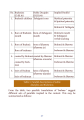
Brahmins and Noble Disciples: A Comparative Analysis
No. | Brahmins (D.III.81) | Noble Disciples (D.III.84) | Implied Parallel
---|------------------------|---------------------------|------------------------
1. | Brahma's children | Tathägata's sons |
The text presents a comparative analysis between Brahmins and Noble Disciples, highlighting their similarities in mythical and spiritual parental origins. It details how both are seen as offsprings of
86
Understanding Craving and Suffering in Buddhism
ing after such wealth, even though it is acquired by honest
means, is still subject to suffering because it contains craving which is the origin of suffering. Even the craving for the
Brahmā-world and
This text delves into the concept of craving in Buddhism, emphasizing that even honest wealth can lead to suffering due to inherent craving. It discusses how aspirations for the Brahmā-world can trap
109
Attaining the Angelic Body through the Middle Way
[vimuttīnādassana] will be attained. When the mind is brought to a standstill at the centre of the Sphere of the Seeing and Knowledge of Liberation the Angelic Body will be attained.
By now the sequen
The text discusses the attainment of the Angelic Body through a process of concentration and the sequential progression from the Coarse Human Body to various forms of Brahmā bodies, culminating in the
82
Understanding Craving in Buddhism
…he formless absorptions [arûpajhâna]. Such ascetics misunderstand that being reborn in the Formless Brahmā world will release them from suffering — thus all their time in the human world is spent trying to develo…
This text delves into the Buddhist concept of craving, specifically how its pursuit influences rebirth and suffering. It discusses the misinterpretation by ascetics aiming for the Formless Brahmā real
54
Understanding Dhamma and Brahman in Buddhism
In the case that 'brahma-' refers to the neuter 'brahman'
In the other case in which the term brahma- is translated as 'brahman'63 the ultimate,64 the third parallel65 suggests that the term dhamma in
This text clarifies that the term 'brahma-' can refer to either the masculine 'Brahmā' or the neuter 'brahman,' ultimately leading to the view that dhamma signifies transcendental realities. It sugges
237
Exploring Concepts of Buddhist Mythology
Asaññisatta (P. realm of non-per- ayatana nibbāṇa q.v. (lit. the recipient beings: see form Brahmā sphere of Nirvana realms) āsavakkhayañāṇa (see knowledge of an end of defilements) ayatana (lit. sphe
This text delves into intricate Buddhist concepts such as Asaññisatta, the realm of non-perception, and its relation to Nibbāṇa, highlighting essential terms like bhāvanā (development), and defilement
55
Implications of Dhamma and Brahma in Buddhist Teachings
While a conclusion is proposed here to some extent, it may be useful to examine further implications from the parallel usage of the term 'dhamma' and 'brahma' elsewhere, for it may add further underst
เนื้อหานี้สำรวจการใช้คำว่า 'ดัมมะ' และ 'บราเหมะ' ในวรรณกรรมพุทธศาสนา และการตีความความหมายที่เชื่อมโยงกันของทั้งสองคำ เป็นการศึกษาความสำคัญของการใช้คำที่ขนานกัน ซึ่งสะท้อนถึงสถานะความบริสุทธิ์สูงสุดที่
136
Understanding the Inner Bodies on the Path to Enlightenment
them and go further through the centre until attaining the Body of Enlightenment — the most subtle of the inner bodies.
The inner bodies between the Paṭhama Magga Sphere and the Body of Enlightenment
This text delves into the various inner bodies that exist between the Paṭhama Magga Sphere and the Body of Enlightenment. These include the Subtle Human Body, Angelic Body, and several Brahma Bodies,
80
The Three Forms of Craving in Buddhism
The Three forms of Craving
The Lord Buddha taught that there are three sorts of craving: craving for sense-pleasure [kāmaṭhaṇa], craving for the form realms [bhavatānha] and craving for the formless r
The Lord Buddha identified three types of craving: 1) Craving for Sense-Pleasure (kāmaṭhaṇa) signifies a longing for sensory experiences which misleads individuals into thinking happiness comes from e
29
The Enlightenment of Koṇḍañña
his Enlightenment for the benefit of the ‘Group of Five’ — Enlightenment that is supreme in the human world, angel world, Māra-world, Brahmā-world, animal-world, world of monks, world of brahmins, wor
This text discusses the pivotal moment when Koṇḍañña achieved enlightenment after listening to the Buddha’s teachings, recognizing the nature of arising and cessation within himself. The earth-sprites
56
Understanding Brahmabhūta and the Path to Nibbāna
where all fetters are unrooted, or at least they signify the ‘best’ state.
The same may be said for the parallel of dhammacarĺa and brahmacarĺa. Although these two compounds are normally used in dif
The text discusses how 'brahmabhūta' refers to the state of having eradicated all defilements, allowing one to experience ultimate peace and happiness. It parallels 'dhammacarĺa' and 'brahmacarĺa' as
124
Understanding the Inner Bodies and Enlightenment
the centre of the body, in the same way as described earlier, in entering the centre of the Pathama Magga Sphere, successive inner bodies can be attained, going further inside the subtle human body —
This text discusses the progression through successive inner bodies leading to the Dhammakāya, emphasizing the distinction between mundane and transcendental bodies. It highlights that all worldly bod
224
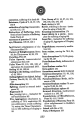
Insights on Suffering and Enlightenment
execution, suffering of at death 68
Existence, Cycle of 9, 16, 37, 178, 185-6
extinction of craving, transcendental 100, 115, 175
Extinction of Suffering, Noble Truth of(see Cessation of Suffering, No
This text delves into pivotal Buddhist doctrines centered around suffering and enlightenment. It discusses the cycle of existence and the importance of overcoming craving. With references to meditativ
236
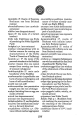
Glossary of Buddhist Terms
Akiṇiṭṭhā (P. Realm of Supreme anurakkhāṇa-paddhāṇa (maintre Brahmas: see form Brahmā
akusalahamma (see unwhole- anusayā (see subtle defilements)
someness) apilapanasati (see monitoring as- alābha (se
This glossary provides definitions and explanations of essential Buddhist terms, including various realms, states of mind, and notable figures. Key concepts such as Anāgamī (non-returner), anatta (not
28
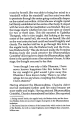
เขียนความสำเร็จในชีวิต
room by herself. She was able to bring her mind to a
‘standstill within the standstill’ and her mind was able
to penetrate through the centre going centrally deeper
on the central axis within. At f
ในหนังสือเล่มนี้ ได้พูดถึงวิธีการตั้งเป้าหมายเพื่อให้ได้มาซึ่งความสำเร็จในชีวิต โดยมีการแบ่งเนื้อหาออกเป็นหลายบทที่เกี่ยวข้องกับการสร้างนิสัยการทำงาน การบริหารเวลา และการมองปัญหาให้ออก พร้อมทั้งแนวทาง
179
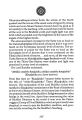
Dhammacakkapavattana Sutta: The Awakening of the Earth
Dhammacakkapavattana Sutta the whole of the Earth quaked and the waves of the ocean were whipped by strong winds and even Mount Sumeru bowed down its peak as if in humility to the teaching, with a sou
The Dhammacakkapavattana Sutta marked a monumental moment in Buddhist history, wherein the Earth quaked and the heavens resonated in response to the Buddha's teachings. This awe-inspiring event saw Mo